How to Attend Indigenous Theatre Respectfully
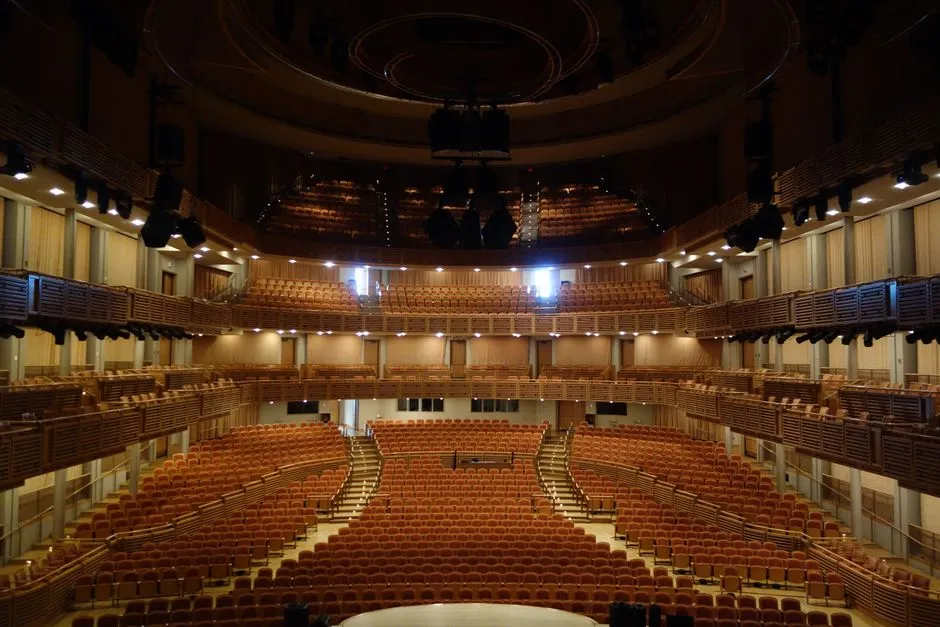
Prepare as an audience member
Attend Indigenous theatre respectfully by learning the specific production's basic context, following the venue's access and recording rules, and giving the artists the same close attention you would bring to any serious performance. Do not expect a cultural lesson, test the work for authenticity, or ask Indigenous audience members to explain what you saw. Attend closely and follow the boundaries the artists and venue have published.
Read the official event page
Confirm the title, creators, producing company, venue, date, running time, languages, surtitles or interpretation, age guidance, content information, and accessibility. Use the official production or venue page because third-party social listings may preserve cancelled or outdated dates.
Read creator-provided preparation if offered. If the program names a specific Nation, community, or language, preserve that wording. Do not arrive with a generic summary of “Indigenous culture” gathered from an unrelated page.
The Indigenous theatre in Canada guide explains why production-level specificity matters.
Follow venue and production rules
Arrive on time, silence devices, and check whether late seating is possible. Follow instructions about photography, recording, food, re-entry, and audience participation. If a production invites a response, the invitation's boundaries still apply.
A ticket grants admission under the venue's terms. It does not grant permission to film performers, reproduce a script, photograph designs, livestream, publish, or reuse material. Obtain explicit permission from the producer or venue and every relevant rights-holder before any documentation or later use. Crediting a creator, linking an announcement, or finding an image already online does not supply that permission.
Prepare for language choices
Official production pages identify the languages and access provisions offered for that event. Individual productions may use surtitles, projected text, program notes, repetition, performance context, or deliberate non-translation.
Check the listing for what is offered. Do not complain that every word was not translated or guess at a language you cannot identify. Notice how understanding is created across voice, body, rhythm, image, and space. A deeper analysis can track how voice, timing, gesture, repetition, surtitles, design, and non-translation distribute understanding across the audience.
Respond to difficult material within your limits
A show may challenge an audience, refuse explanation, use direct address, or place spectators in an unfamiliar relationship to the action. Stay attentive unless you need to leave for your wellbeing. You do not have to enjoy every choice, but irritation is not evidence that the artists owed you a simpler work.
If difficult material is listed, use the content information to decide what you need. Leave quietly if necessary and follow venue procedures for re-entry. No audience member owes a public reason.
For material about residential schools, publish current support contacts beside the content note. Canada.ca lists the 24-hour National Indian Residential School Crisis Line at 1-866-925-4419 for former students and families, and Hope for Wellness at 1-855-242-3310 or online chat for all Indigenous people across Canada. Call emergency services for immediate danger, and verify every contact before use.
Behave carefully in post-show spaces
At a talkback, ask about the work, process, or a specific artistic choice. Avoid asking a performer to explain an entire culture, disclose trauma, or certify the production's authenticity. Ask one concise question within the artist's stated role and accept a refusal without follow-up pressure.
Do not photograph artists or participants without consent. If you post afterward, distinguish the production's stated context from your interpretation and respect embargoes or spoiler requests.
Support the work accurately
Credit the correct artists and organizations when sharing the event. Link to the official production page, not an unofficial copy. If you recommend the show, mention practical access information you have verified and mark the date checked.
Buying a ticket, borrowing an authorized script, subscribing to a company, or sharing an official announcement can support the work. None of these actions grants cultural authority or permission beyond its stated terms.
For related methods, see Indigenous Theatre Post-Show Discussion Guide and How to Review Indigenous Theatre Respectfully.
Sources
- University of British Columbia, Indigenous Peoples: Language Guidelines, version 3.1 (2024) — specific, respectful terminology.