How to Review Indigenous Theatre Respectfully
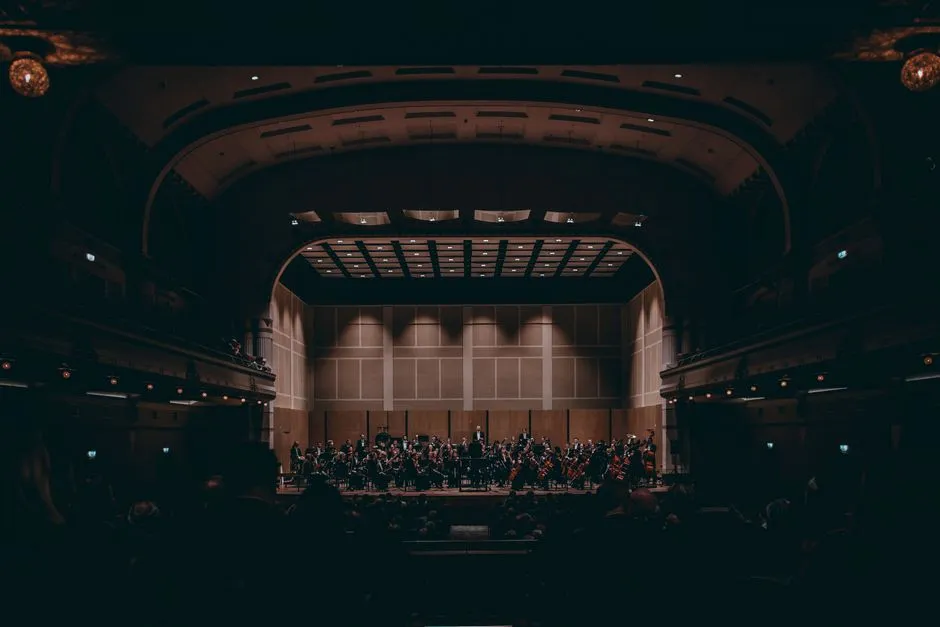
Review the production that happened
To review Indigenous theatre respectfully, identify the exact performance and build your argument from what occurred onstage: acting, direction, text, movement, sound, design, language, rhythm, space, and audience relationship. Verify credits and creator context through official materials. Do not grade cultural authenticity, turn one production into a statement for all Indigenous peoples, or explain community-specific material without an appropriate source.
Record the event precisely
Note the production title, creators, company, venue, city, performance date, and whether you attended a preview, opening, tour, remount, or streamed version. Save the program and official page. Casts, running times, surtitles, designs, and even scenes can change between versions.
Credit collaboration accurately. A set choice belongs to the credited designer and production process, not automatically to the playwright. If the program does not assign a contribution, do not guess who made it.
Draft a theatrical claim
Your opening should say what the production achieves, risks, complicates, or fails to resolve. Support it with moments a reader can picture:
- a pause that changes the power in a scene;
- a lighting shift that redraws the playing area;
- an actor's change in address;
- a sound cue that interrupts realism;
- a projected translation arriving before or after speech;
- an object acquiring a new function.
General adjectives such as “powerful” and “important” need specific theatrical evidence and a stated effect.
Keep observation, interpretation, and context separate
Describe the event first. Then argue what the choice did. Add cultural or historical context only through a source that actually addresses it.
The University of British Columbia's Indigenous Peoples language guide emphasizes distinctions and self-identification. Use the specific Nation, community, or language the artists or reliable materials provide. Do not infer identity from casting, appearance, names, or subject matter.
Verify production credits against the official program, while the multimedia guide helps analyse projection and recorded material.
Criticize without authenticating
Respect does not require a favourable review. Examine pacing, coherence, performance choices, dramaturgy, access design, or the relationship between form and argument. Show the evidence and acknowledge when a problem may belong to the venue or the specific performance rather than the script.
Do not claim a work is “not Indigenous enough,” more authentic than another, or successful because it matches an outside expectation of Indigenous art. Those statements replace criticism with an authority the reviewer does not have.
Write about language accurately
Follow the production's own language names and spelling. Describe how surtitles, translation, repetition, tone, and physical action affected your experience. If you did not understand a passage, say what the production made legible and what remained unavailable; do not invent a translation.
Use the specific production's official page for its stated languages and access provisions. Do not use one theatre department's mandate as evidence for another production's language strategy.
Handle difficult material proportionately
Give readers necessary content information without making trauma the headline unless the production itself makes it the central artistic question. Attend to comedy, tenderness, genre, music, spectacle, and ordinary detail with equal seriousness when they matter.
Avoid exposing private audience reactions or talkback disclosures. A public discussion is not automatic permission to quote identifiable participants. Ask before using a comment, and verify names and wording.
For material about residential schools, publish current support contacts beside the content note. Canada.ca lists the 24-hour National Indian Residential School Crisis Line at 1-866-925-4419 for former students and families, and Hope for Wellness at 1-855-242-3310 or online chat for all Indigenous people across Canada. Call emergency services for immediate danger, and verify every contact before use.
Finish with an accuracy audit
Check every credit, pronoun, title, language name, quotation, date, and source. Use only the limited script quotation needed for criticism, verify it against an authorized text or the performance, and follow applicable copyright rules. Separate the production's statements from your interpretation. Describe who may value the show and why, while making clear which version you saw.
A useful review describes the artistic event precisely and does not claim final cultural authority.
For related methods, see How to Attend Indigenous Theatre Respectfully and How to Research Context for an Indigenous Author.
Sources
- University of British Columbia, Indigenous Peoples: Language Guidelines, version 3.1 (2024) — terminology, distinctions, and self-identification.
- Canada Council for the Arts, “Funding Principles” (accessed 1 September 2026) — the Council's stated cultural-self-determination principle and acknowledgement of cultural sovereignty.